Inspections, Appraisal & the Surprises Nobody Warns You About
The Part of the Process Most People Underestimate
When buyers picture the home-buying process, they tend to imagine two big moments: the offer getting accepted, and the day they get the keys. Everything in between feels like paperwork.
It isn’t.
The window between the accepted offer and closing is usually 30 to 45 days, during which the most important due diligence occurs. The home gets inspected. The appraisal comes in. Your loan goes through final underwriting. And every single one of those steps can surface something you didn’t see coming.
This is also part of the process where having someone in your corner who actually understands construction, what’s a real problem, what’s cosmetic, what’s worth pushing back on, makes a meaningful difference. So, let’s break it down.
What a Home Inspection Actually Is
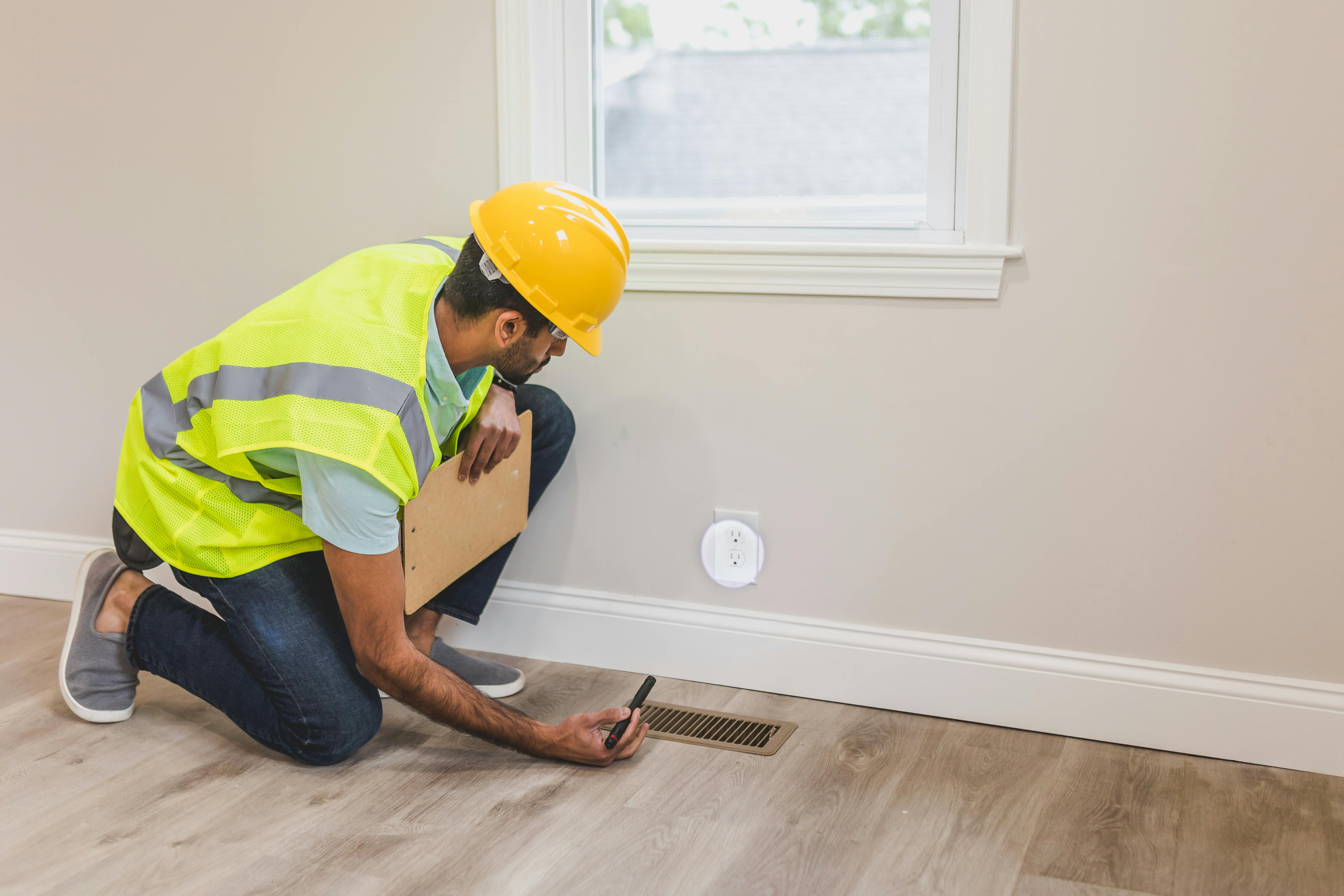
A home inspection is a top-to-bottom evaluation of the property by a licensed inspector. They’re looking at the structure, the systems, and the safety of the home, not whether the paint is fresh or the kitchen is updated.
A general home inspection typically covers:
- Foundation and structure — cracks, settling, framing
- Roof — age, condition, signs of leaks
- Electrical — panel, outlets, wiring concerns
- Plumbing — supply lines, drains, water heater
- HVAC — heating and cooling systems, ductwork
- Windows, doors, and exterior — weather sealing, drainage
- Attic and crawlspace — insulation, ventilation, signs of moisture
- Appliances — basic operation of what’s included
The general inspector won’t open up walls, won’t move furniture, and won’t pull apart anything that isn’t already accessible. They give you a written report, usually 40 to 80 pages, with photos, observations, and recommendations.
You’ll typically have around 17 days from offer acceptance to complete inspections, though that timeframe is negotiable.
The Specialty Inspections Most People Skip — and Probably Shouldn’t
The general home inspection is the foundation, but it doesn’t cover everything. Depending on the home, the area, and what the inspector flags, there are several specialty inspections worth considering. Some of these are routine in the Central Valley. Some are situational. All of them are worth knowing about.
Sewer line inspection. A camera scope of the main sewer line from the home to the city connection. Most general inspectors don’t do this. In older Lodi neighborhoods, replacing a damaged sewer line can run $5,000 to $20,000 or more. For a few hundred dollars on the front end, it’s almost always worth it.
Pest and termite inspection. Often required for VA loans, and a good idea on any home with wood framing, which is almost all of them. They’re looking for active infestations, dry rot, and conducive conditions.
Roof inspection. If the general inspector flags concerns or the roof is more than 15 years old, getting a licensed roofer up there for a closer look is worth the time. They can give you a much clearer estimate of remaining life and repair costs.
Foundation inspection. If there are any signs of significant settling, cracking, or differential movement, a structural engineer can give you the truth. Foundation work is one of the most expensive repairs a homeowner can face; this is not where you want to guess.
HVAC inspection. Especially valuable in Lodi summers. A licensed HVAC tech can pull panels, check the refrigerant, and tell you how much life is left in the system.
Pool inspection. If the home has one, get it inspected separately. Pool repairs are surprisingly expensive, and general inspectors typically don’t go deep on equipment, plumbing, or surface condition.
Mold and air quality. If you see staining, smell anything off, or know the home has had water intrusion, this one is worth the cost.
The bottom line: A general inspection is your starting point, not your finish line. The specialty inspections are how you actually understand the home you’re about to buy. If something on the general report concerns you, dig deeper. The cost of a specialty inspection is almost always less than the cost of being surprised after closing.
What an Appraisal Is — and Why It Matters
An appraisal is an independent estimate of the home’s value, ordered by your lender and conducted by a licensed appraiser. It happens whether you ask for it or not, because the lender needs to know the home is worth what they’re lending against.
The appraiser looks at the home itself, its size, condition, features, upgrades, and recent sales of comparable homes in the area. They produce a report that, in effect, says that, based on the market, this home is worth this much.
Three things can happen with an appraisal:
1. It comes in at or above the purchase price. Best-case scenario. The deal moves forward, no adjustments needed.
2. It comes in below the purchase price — an “appraisal gap.” This is where things get real. If you offered $500,000 and the home appraises at $480,000, your lender will only lend against the $480,000. You now have a $20,000 gap to figure out.
3. The appraisal flags issues that affect lending. Sometimes, especially with FHA and VA loans, the appraiser will flag issues such as missing handrails, broken windows, peeling paint, or roof problems that must be repaired before the loan can close.
How to Handle an Appraisal Gap
If your appraisal comes in low, you have four real options. None of them are bad. They just have different trade-offs.
Option 1: Renegotiate the price. Take the appraisal back to the seller and ask them to come down to the appraised value. Sometimes they will. In a softer market, this often works.
Option 2: Meet in the middle. You and the seller each absorb part of the gap. The seller drops the price a bit, and you bring extra cash to closing.
Option 3: Cover the gap yourself. You bring the difference in cash. This is more common in competitive markets and only makes sense if you have the funds and the home is genuinely worth it to you.
Option 4: Walk away. If you wrote in an appraisal contingency, you can use it to back out and get your earnest money back. This is exactly why we don’t waive that contingency casually.
We’ll talk through which option makes sense based on your goals, the home, and what the comparable data is actually telling us.
The Surprises Nobody Warned You About
After six personal transactions and walking clients through the same, here are the things that catch buyers off guard most often. Knowing these in advance won’t make them disappear, but it will keep you from panicking when they show up.
Inspection reports look scary. Most homes are fine. A typical general inspection report flags 30 to 60 items. That sounds alarming until you realize half of them are minor: a loose outlet cover, a missing weather strip, a water stain that’s been dry for years. We’ll go through it together and separate the noise from the real issues.
The dollar amounts of “small” issues add up fast. On the flip side, five $500 fixes are $2,500. That’s real money. Pay attention even when individual items seem minor.
Sewer lines are the silent budget killer in older neighborhoods. Especially in homes built before 1980. If we don’t scope it, we’re guessing.
The HVAC system is older than you think. Sellers often don’t know the actual age of their furnace or AC. Pull the manufacturer date off the unit. A 20-year-old system is on borrowed time, and a replacement costs $8,000 to $15,000.
Appraisers are conservative right now. In a shifting market, appraisers tend to lean cautious. Plan for the possibility of a gap, especially for homes you’ve stretched to offer.
FHA and VA appraisals are stricter than conventional. If you’re using FHA or VA financing, the appraiser is also looking at health and safety items the seller may need to fix before closing. Build that into your timeline expectations.
The repair negotiation is a separate negotiation. After inspections, we’ll often go back to the seller with a request, repairs, a credit, or a price reduction. It’s not personal. It’s part of the process. Some sellers respond reasonably. Some don’t. We’ll have a strategy.
You can still walk away. Right up until you remove your contingencies in writing, you have the option to terminate the contract for reasons covered by your contingencies and get your earnest money back. Don’t forget this is the protection we built in for exactly this stage.
Step by Step: The Inspection & Appraisal Window
Here’s the rhythm of how this period typically plays out.
Step 1 — Schedule the general inspection (Days 1–3). We coordinate access with the listing agent and book the inspector. You’re welcome, and encouraged to attend, especially the last 30 minutes when the inspector walks through findings.
Step 2 — Order any specialty inspections (Days 3–10). Based on the general report and what we already know about the home, we line up sewer scopes, roof inspections, structural reviews, or anything else that makes sense.
Step 3 — Lender orders the appraisal (Days 5–14). Your lender handles this. The appraiser visits the home and submits their report a few days later.
Step 4 — Review reports together. We go through everything, the general inspection, specialty findings, and appraisal, and decide what’s worth bringing back to the seller and what isn’t.
Step 5 — Submit a Request for Repairs or credit (Days 14–17). We respond to the seller in writing with a clear ask. Repairs to be completed, a credit toward closing, a price reduction, or a combination.
Step 6 — Negotiate the response. The seller will accept, counter, or decline. We work through it the same way we worked through the original offer.
Step 7 — Decide on contingency removal. Once you’re comfortable with the inspections, the appraisal, and your loan progress, we’ll remove your contingencies in writing. This is a meaningful step — your earnest money becomes at risk after this.
Step 8 — Move toward closing. Final loan approval, final walkthrough, signing, funding, and recording. The home is yours.
A Few Things I Wish More Buyers Knew at This Stage
Attend your inspection if you can. A two-hour walkthrough with the inspector teaches you more about the home than any report can. You’ll know which valves to turn, where the breakers are, and what the inspector was looking at when they wrote what they wrote. I will be there with you!
Don’t fix-list a seller to death. Asking for every minor item back can sour the deal. We focus on what actually matters: safety, structure, big systems, and anything that surprises us.
Cosmetic is yours to handle. Functional is the seller’s. That’s a useful frame for thinking about repair requests. Paint colors, dated cabinets, old carpet, those come with the home. A failing water heater or unsafe electrical panel is a different conversation.
Get bids before you negotiate. When something serious comes up, having a real contractor estimate gives you leverage in the conversation. “The roof needs work” is weaker than “here’s a $14,000 bid from a licensed roofer.”
The appraisal is a snapshot, not the gospel. If it comes in low, we look at the comps the appraiser used and decide whether to challenge it, renegotiate, or move forward.
This part of the process is normal. Almost every transaction has a moment in this window where the buyer wonders if the deal is going to fall apart. Most of them don’t. We just have to work through it carefully.
Ready to Walk Through It With Someone Who Knows What to Look For?
If you’re under contract and heading into inspections, or you’re just starting to think about buying and want to know what to expect, let’s talk. I bring a working knowledge of construction to every transaction, what’s a real problem, what’s a punch-list item, and what’s just an inspector being thorough. The first conversation costs you nothing.
Reach out anytime: JesseRivas@KW.com
Jesse J. Rivas is a real estate agent based in Lodi, CA, serving buyers and sellers throughout the Central Valley and Contra Costa County. Before becoming an agent, Jesse personally bought and sold six homes and brings that firsthand experience, along with a working knowledge of construction, to every client.
⬅ Part 3: Your First Offer — What Happens After the Pre-Approval Part 5 Coming Soon ➡