Escrow Explained — What Happens Between Offer and Keys
By Jesse J. Rivas · Jesse Rivas Realty · Lodi, CA · April 29, 2026
In Part 3, we walked through writing your first offer — what goes into it, what contingencies protect you, and what happens when a seller responds. We ended at the moment your offer gets accepted.
That moment is exciting. It’s also the beginning of one of the most misunderstood phases of the home-buying process: escrow. Today, we’re breaking it all the way down.
So, What Exactly Is Escrow?
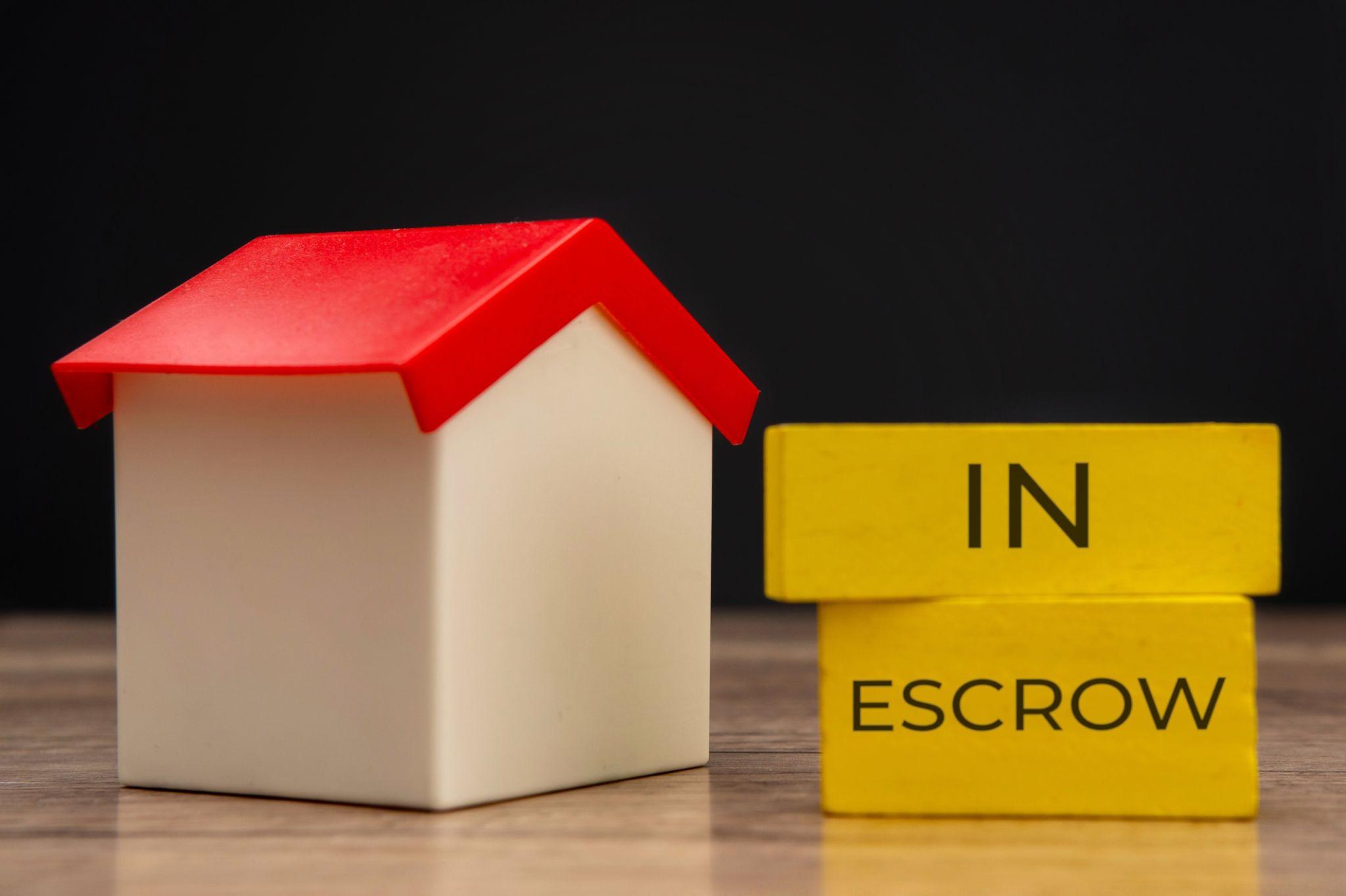
When your offer is accepted, you and the seller don’t just hand keys and money back and forth directly. That would leave too much room for things to go wrong. Instead, a neutral third party, the escrow company, steps in to manage the transaction from both sides.
Think of escrow as a secure holding zone. Your earnest money deposit goes in. The seller’s signed documents go in. Your lender’s loan funds go in. And nothing comes out until every single condition of the sale has been satisfied. Only then does the escrow officer release the funds to the seller and the title to you.
“Escrow protects both parties. The seller knows you’re serious. You know nothing changes hands until every condition is met. It’s the neutral ground that makes real estate transactions work.”
Who Is Involved in Escrow?
This is where first-time buyers often feel overwhelmed, suddenly there are a lot of names in your inbox. Here’s who you’ll be hearing from and what each person does:
| Person / Company | Their Role |
|---|---|
| Escrow officer | Neutral third party managing the transaction. Holds all funds and documents until closing conditions are met. |
| Title company | Researches the property’s ownership history to confirm the seller has the legal right to sell. Issues title insurance to protect you after closing. |
| Your lender | Completes the loan underwriting process and ultimately wires the loan funds to escrow on closing day. |
| Home inspector | Hired by you to inspect the physical condition of the property during the inspection contingency period. |
| Appraiser | Hired by your lender (not you) to confirm the home’s market value supports the loan amount. |
| Your agent | Coordinates communication between all parties, tracks deadlines, and advocates for you throughout the process. |
The Escrow Timeline — Day by Day
A typical escrow in California runs 30 to 45 days, though the exact length depends on your contract terms. Here’s how that time generally breaks down:
- Days 1–3 Earnest money deposit. You wire your earnest money deposit to the escrow company. This is typically 1–3% of the purchase price and shows the seller you’re committed. It counts toward your down payment at closing.
- Days 1–10 Home inspection. You hire a licensed inspector to evaluate the home’s condition — roof, foundation, plumbing, electrical, HVAC, and more. If the inspection reveals issues, you can request repairs, negotiate a price reduction, or, in some cases, walk away.
- Days 5–21 Loan underwriting and appraisal. Your lender orders a home appraisal, and their underwriting team reviews your full financial picture one final time. This is when they verify income, employment, assets, and confirm the home’s value supports the loan. Don’t make large purchases or change jobs during this period — it can jeopardize your approval.
- Days 5–30 Title search and seller disclosures. The title company researches the property’s history to confirm there are no outstanding liens, unpaid taxes, or ownership disputes. The seller is also required to provide disclosure documents covering everything they know about the property’s condition.
- Days 25–28 Final loan approval and closing disclosure. Your lender issues a final “clear to close” and sends you a Closing Disclosure — a detailed document showing every number associated with your transaction. Review it carefully. Compare it against the Loan Estimate you received at the start of the process and ask about any differences.
- Day 28–30 Final walkthrough. Before signing, you do a final walkthrough of the home — usually 24 hours before closing. This isn’t a second inspection. It’s a chance to confirm the property is in the same condition as when you made the offer, and that any agreed-upon repairs were completed.
- Closing day. Sign, fund, record, and get your keys. You sign your loan documents (a stack of them). You wire your remaining down payment and closing costs to escrow. Your lender wires the loan funds. The escrow officer releases the funds to the seller. The county records the deed in your name. Then your agent hands you the keys.
Good to know
In California, buyers and sellers typically sign closing documents separately; you don’t have to be in the same room as the seller. Some escrow companies even allow you to sign remotely. Ask your agent what the process looks like for your specific transaction.
Closing Costs — What to Expect
One thing that surprises a lot of first-time buyers: the down payment isn’t the only money you’ll need at closing. Closing costs are the fees and charges associated with finalizing the purchase, and they typically run between 2% and 5% of the loan amount.
| Cost | What It Covers |
|---|---|
| Loan origination fee | Your lender’s fee for processing and underwriting the loan. |
| Appraisal fee | Cost of the home appraisal ordered by your lender. Usually $500–$800. |
| Title insurance | Protects you (and your lender) against any title defects that weren’t caught in the title search. |
| Escrow fees | Charged by the escrow company for managing the transaction. Often split between buyer and seller. |
| Prepaid interest | Interest that accrues from your closing date to the end of that month. |
| Property taxes and insurance | Lenders typically require 2–3 months of taxes and homeowner’s insurance to be deposited into an escrow impound account at closing. |
“Your lender is required to give you a Loan Estimate within three business days of your application. That document breaks down projected closing costs. Read it closely — and ask questions if anything looks off.”
What Could Delay or Derail Closing?
Most escrows close on time. But it helps to know what can slow things down — so you’re not caught off guard if it happens to you.
1 Appraisal comes in low
You offered $520,000 but the appraisal says $495,000. Your lender will only lend based on the appraised value. That gap has to be resolved — through renegotiation, covering it out of pocket, or in some cases, disputing the appraisal.
2 Title issues surface
Unpaid liens, boundary disputes, or errors in past ownership records can slow or pause the process. Your title company works to resolve these, but it takes time.
3 Underwriting conditions
Your lender may issue a “conditional approval” requiring additional documents — a letter explaining a gap in employment, proof of gift funds, updated bank statements. Respond quickly to avoid delays.
4 Last-minute credit changes
Opening a new credit card, financing a car, or making a large purchase during escrow can change your debt-to-income ratio and trigger re-underwriting. Avoid any major financial moves until after closing.
The Moment You’ve Been Working Toward
There’s something that happens when escrow closes and your agent puts that key in your hand. All the paperwork, the waiting, the back-and-forth, it becomes concrete in a way that’s hard to describe until you experience it yourself.
That moment is worth understanding every step that leads to it. And now you do.
In Part 5, we’ll talk about what happens after you move in — your first year as a homeowner, what to prioritize, and how to start building equity from day one.
Questions about escrow or the closing process?
Every transaction is a little different. I’m happy to walk you through what it will look like for yours, no pressure, just answers. JesseRivas@KW.com
Jesse J. Rivas is a licensed real estate agent serving Lodi and the surrounding Central Valley. He specializes in helping first-time buyers navigate the home purchase process from start to finish.


