
Timing the Sale: How a Smart Realtor Maximizes Your Home’s Value During Divorce
Posted on June 13, 2026 Leave a Comment
Market Timing, Pricing Strategy, and Negotiation: The Three Levers That Determine Your Outcome
When a home is sold as part of a divorce settlement, the pressure to move quickly can work against both parties. Emotional urgency, attorney timelines, and the desire to simply be done with the process often lead to pricing and timing decisions that leave money on the table.
A skilled, divorce-experienced realtor brings objectivity and market expertise to these high-stakes decisions, ensuring both parties receive maximum value from one of their most significant shared assets.
The Market Does Not Care About Your Divorce Timeline
Real estate markets move according to their own rhythms, 7uyhseasonal demand, interest rate shifts, inventory levels, and local economic factors. A good realtor reads these dynamics and advises clients on the optimal timing for listing. A bad one simply lists when told to, regardless of market conditions.
In divorce situations, the temptation to list immediately (or delay indefinitely) can both result in below-market outcomes. Strategic timing, guided by data, protects both parties’ financial interests.
Pricing: The Most Consequential Decision in the Sale
Overpricing a divorce property is one of the most common and costly mistakes. Homes that sit on the market attract scrutiny, lose buyer interest, and ultimately sell for less than they would have at the right price from the start.
A divorce-experienced realtor provides a comprehensive Comparative Market Analysis that is objective, data-driven, and defensible for both parties and their attorneys. This removes pricing from the realm of emotional negotiation and places it firmly in the realm of market reality.
- Accurate pricing attracts competitive offers and can trigger bidding situations
- Overpriced listings damage market perception and reduce final sale price
- A neutral CMA removes the pricing argument between divorcing spouses
- Price reductions during a listing period signal weakness and empower buyers
Negotiation: Protecting the Net
Once offers arrive, the negotiation phase begins, and this is where a skilled realtor earns their fee many times over. Knowing when to counter, when to accept, how to structure repair credits, and how to evaluate contingencies are nuanced skills that directly affect how much money each party walks away with.
In a divorce sale, the realtor negotiates on behalf of the property, maximizing net proceeds impartially for both parties. This is a different posture than typical buyer or seller representation, and it requires experience and discipline.
Speed Matters — But Not at the Expense of Value
Court deadlines and settlement timelines are real, and a good divorce realtor respects them. But speed and value are not mutually exclusive when the transaction is managed well from the beginning. Proper preparation, accurate pricing, targeted marketing, and proactive communication all contribute to faster closings without sacrificing net proceeds.
Ready to Take the Next Step?
Jesse Rivas serves clients across the Central Valley and the Bay Area with the market knowledge, negotiation experience, and professional composure that divorce real estate transactions demand.
If you are approaching a property sale as part of a divorce settlement, do not leave the outcome to chance or to a professional without real estate expertise. Reach out today.
Jesse Rivas | Jesse Rivas Realty | Keller Williams
📞 Call or Text: (510) 506-3800 | ✉ jesserivas@kw.com | 🌐 jesserivas.kw.com
Serving the Central Valley and the Bay Area, including Oakland
California DRE Licensed | Shining Star Hero Home Buying Program

Thinking About Selling? Here’s What Your Lodi Home Could Be Worth in 2026
Posted on June 12, 2026 Leave a Comment
You’ve put years into your home, the upgrades, the memories, the equity you’ve quietly built. Now you’re wondering: is this the right time to sell?
The honest answer is: it depends on your goals. But here’s what I can tell you about the Lodi market right now. Inventory is still relatively tight, buyer demand remains strong, and well-priced homes in Lodi are selling. Sellers who price strategically and present their home well are walking away with strong numbers.
A lot of homeowners in Lodi are sitting on more equity than they realize. If you bought five or more years ago, the appreciation you’ve experienced could be the down payment, or the full purchase price, on your next chapter. That equity is real money, and knowing exactly what you have is the starting point for any good plan.
What affects your home’s value? Location within Lodi matters; proximity to downtown, schools, and newer developments all play a role. The condition of your home, recent upgrades (kitchens and bathrooms still move the needle most), lot size, and how your property compares to recent sales in your immediate neighborhood are all factors I’ll walk through with you.
Timing also matters more than most sellers think. Spring and early summer traditionally bring more buyers to the market, which means more competition for your home. But a well-marketed property can sell in any season, especially in a supply-constrained market like Lodi.
What holds most sellers back isn’t the market. It’s uncertainty. They don’t know what their home is worth, what it costs to sell, or what they’d buy next. A conversation with me can solve all three: no obligation, no pressure, just real numbers and a real plan.
I’ll come to your home, walk through it with you, and give you an honest assessment of its value and what we’d need to do to get top dollar. From there, you decide.
📲 Ready to find out what your home is worth? Call or text (510) 506-3800 for a free home valuation. No pressure — just clarity.
Ready to take the next step? Let’s talk.
📞 (510) 506-3800 | 📧 jesserivas@kw.com | DRE #02282782
Follow me for daily real estate tips & local market updates:
📸 Instagram: @jesse_rivas_realty 📘 Facebook: jesserivasrealty 🎵 TikTok: @jesserivasrealty ▶️ YouTube: jessejrivasrealty 🔗 Linktree: linktr.ee/jesserivasrealty
Why Lodi Is One of the Best Places to Buy a Home Right Now
Posted on June 11, 2026 Leave a Comment
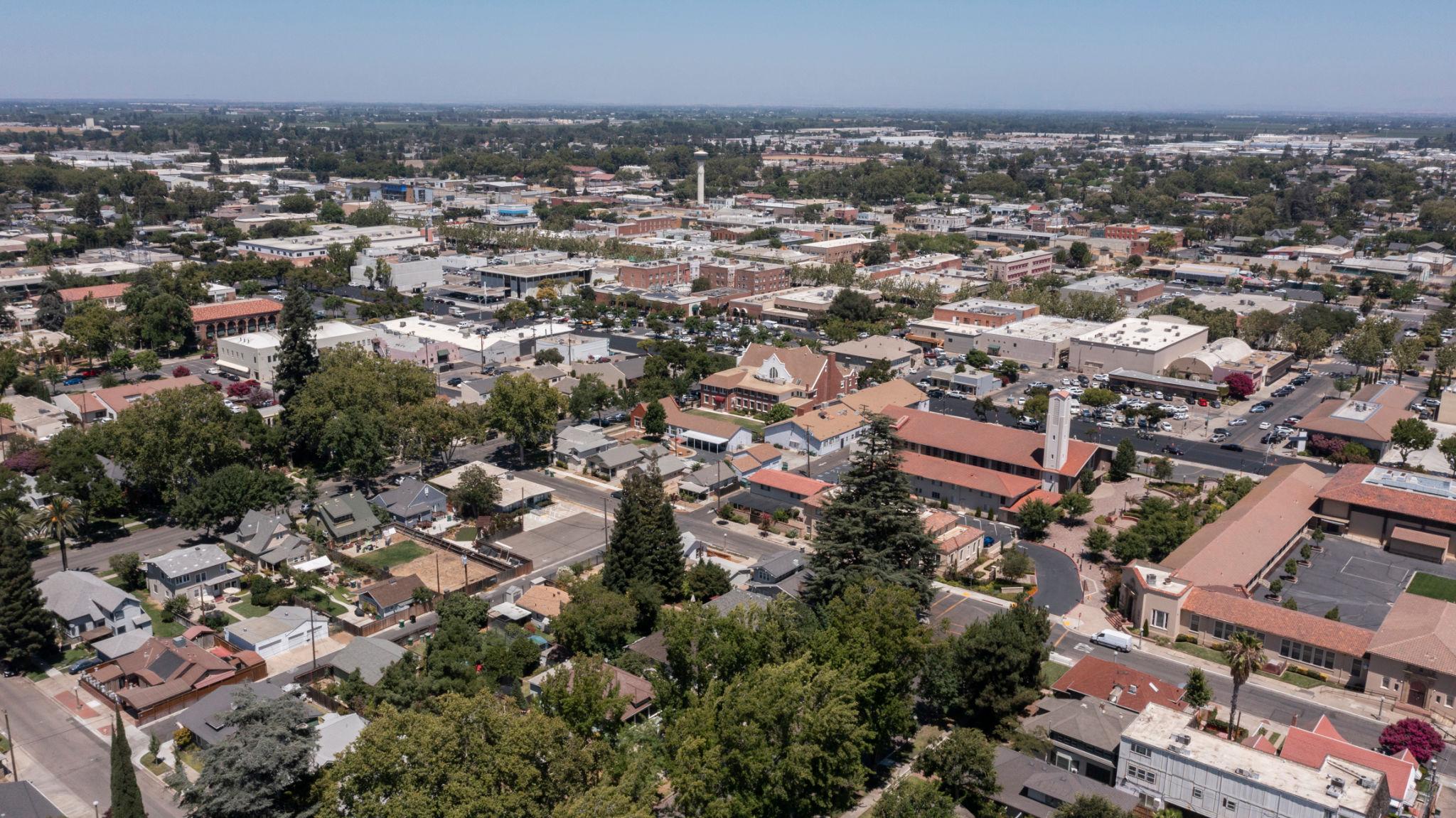
You’ve been scrolling listings, running numbers, and wondering if now is the right time. Here’s what I want you to know: Lodi is one of the most undervalued real estate markets in California, and that window won’t stay open forever.
Lodi sits in the heart of California’s Central Valley, just 35 miles south of Sacramento and under 90 miles from the Bay Area. It offers something rare: real community. Tree-lined streets, thriving downtown, award-winning wineries, top-rated schools, and a pace of life that feels like home the moment you arrive.
Compared to Sacramento or the Bay Area, Lodi’s median home prices still give buyers real purchasing power. You can own a 3-bedroom home with a yard here for what a studio rents for in San Jose. That gap is why so many families and remote workers are making the move right now.
Lodi is also strategically located along Highway 99, giving residents convenient access to Stockton, Modesto, Sacramento, and beyond. The Altamont Commuter Express (ACE) train connects the region to the Bay Area, making Lodi viable even for commuters who need to get into the office a few days a week.
The community itself punches above its weight. Downtown Lodi has seen significant revitalization, with local restaurants, wine bars, boutique shops, and events that draw people from across the region. The Lodi Lake, Wine & Food Festival, and strong arts presence give the city a quality of life that surprises newcomers.
School districts in Lodi Unified continue to improve, and there are several charter and private options nearby for families who want choices. For buyers with kids, that matters.
New developments are coming. Infrastructure is improving. Values are moving upward. The buyers who act today will look back in five years and know they made the right call. Waiting for the perfect time usually means watching prices move past you.

📲 Call or text me at (510) 506-3800 for a free buyer consultation. Let’s find your home in Lodi before someone else does.
Ready to take the next step? Let’s talk.
📞 (510) 506-3800 | 📧 jesserivas@kw.com | DRE #02282782
Follow me for daily real estate tips & local market updates:
📸 Instagram: @jesse_rivas_realty 📘 Facebook: jesserivasrealty
🎵 TikTok: @jesserivasrealty ▶️ YouTube: jessejrivasrealty 🔗 Linktree: linktr.ee/jesserivasrealty
The Hidden Costs of Letting Your Attorney Handle Your Home Sale
Posted on June 10, 2026 Leave a Comment
Why Keeping Real Estate in the Hands of Real Estate Professionals Saves Everyone Money
Attorneys are essential in divorce proceedings. They protect your rights, navigate the legal system, and ensure that your settlement agreement holds up under the law. But there is one area where relying too heavily on your attorney can cost you significantly: the real estate transaction.
This article breaks down the specific ways that attorney-led home sales add cost and complexity and explains the more efficient alternative.
Attorneys Charge for Real Estate Communications
Every time your attorney sends a letter about the property, makes a call to the other party’s attorney about the listing agreement, reviews an offer on your behalf, or attends a negotiation meeting, you are paying their hourly rate for work that a qualified real estate professional can handle at no additional charge.
For a home sale that spans several months (as contested divorce properties often do), these legal fees can add up to five figures without delivering better real estate outcomes.
Legal Training Does Not Include Real Estate Expertise
Family law attorneys are highly trained professionals, but their training is in law, not in real estate markets, buyer psychology, negotiation tactics, or property valuation. When an attorney makes recommendations about listing price, offer acceptance, or contract terms, they are operating outside their professional expertise.
A real estate professional brings market-specific knowledge that an attorney simply cannot replicate, regardless of how experienced the attorney is.
- Comparative Market Analysis and pricing strategy
- Buyer qualification and offer evaluation
- Inspection negotiation and repair credit structuring
- Escrow timeline management and closing coordination
- Knowledge of local market conditions and buyer demand
Delays Driven by Legal Schedules Cost Real Money
Court dates, attorney availability, and litigation timelines rarely align with optimal real estate market windows. When a home sits on the market longer than necessary because attorney scheduling drives the pace rather than market conditions, costs mount, and market positioning weakens.
A realtor focused exclusively on the property transaction can move much faster, keeping costs down and results strong.
The Better Model: Realtor and Attorney as a Team
The most cost-effective approach is a clean division of roles. The attorney handles the legal framework of your settlement. The realtor handles everything related to the property itself. Both professionals stay in their lane, communicate as needed, and serve their respective functions without overlap.
Jesse Rivas works alongside family law attorneys throughout to produce the best outcomes for clients.
Ready to Take the Next Step?
If you are in a divorce process and have questions about how your home should be handled with or without an attorney already involved, Jesse Rivas offers a confidential, no-cost consultation to walk you through your real estate options.
You deserve expert real estate guidance. That expertise is right here.
Jesse Rivas | Jesse Rivas Realty | Keller Williams
📞 Call or Text: (510) 506-3800 | ✉ jesserivas@kw.com | 🌐 jesserivas.kw.com
Serving the Central Valley and Contra Costa County, including Oakland
California DRE Licensed |

What Happens to the Family Home in a California Divorce?
Posted on June 8, 2026 Leave a Comment
A Plain-Language Overview of Your Real Estate Options
When a marriage ends in California, one of the most pressing questions is: what happens to the house? For many couples, the family home represents their most significant shared asset, and how it is handled during the divorce has lasting financial and personal consequences.
This article provides a plain-language overview of the most common options available to divorcing couples in California, and explains how a qualified real estate professional can guide you through each scenario.
Option 1: Sell the Home and Split the Proceeds
The most common outcome in divorce real estate is a mutually agreed-upon sale, with proceeds divided according to the settlement terms. This is often the cleanest path where both parties walk away with cash, neither party carries ongoing housing costs, and the legal connection between the spouses is severed.
A skilled realtor ensures the home is positioned optimally in the market, maximizing proceeds for both parties.
Option 2: One Spouse Buys Out the Other
In some situations, one spouse wishes to remain in the family home, often when children are involved or when one party has deeper ties to the property. In this case, the remaining spouse typically refinances the mortgage in their own name and makes an equalization payment to the departing spouse.
A realtor plays a key role in this scenario by providing an accurate market value assessment that both parties can trust, often averting costly disputes over the buyout amount.
Option 3: Deferred Sale (Typically for Minor Children)
California courts may order a deferred sale if minor children are living in the home and it is in their best interest to remain there until a set point in time (such as completing a school year or reaching adulthood). This arrangement requires careful coordination between the legal settlement and future sale planning.
A realtor experienced in divorce can help structure a deferred sale agreement that protects both parties financially and clearly defines responsibilities for the home in the interim period.
Option 4: Court-Ordered Partition Sale
When parties cannot agree on the disposition of the property, either spouse can petition the court for a partition action, a court-ordered forced sale. These sales are rarely in either party’s financial interest, as they tend to move quickly and may not achieve optimal market value.
The best way to avoid a partition sale is proactive planning with a knowledgeable, neutral realtor who can help both parties reach agreement before the matter escalates to litigation.
Why Your Realtor Choice Matters for Every Option
Regardless of which path you take, the real estate professional you work with will influence the financial outcome. Their ability to provide objective market valuations, manage negotiations between two parties, coordinate with legal counsel, and keep the transaction on track is critical in every scenario.
Ready to Take the Next Step?
Understanding your options early gives you the power to make informed decisions and avoid costly mistakes. Jesse Rivas is here to walk you through your specific situation and help you plan the best path forward.
Reach out for a confidential, no-pressure consultation. This is not a sales call, it is a conversation about your options.
Jesse Rivas | Jesse Rivas Realty | Keller Williams
📞 Call or Text: (510) 506-3800 | ✉ jesserivas@kw.com | 🌐 jesserivas.kw.com
Serving the Central Valley and Contra Costa County, including Oakland
California DRE Licensed |

Neutral Ground: Why Both Spouses Benefit from One Shared Realtor
Posted on June 7, 2026 Leave a Comment
How a Neutral Real Estate Professional Reduces Conflict and Protects Both Parties
In many divorce real estate situations, each spouse’s first instinct is to hire their own agent, believing this protects their individual interests. While the intention is understandable, this approach often introduces unnecessary conflict, increases costs, and extends the transaction timeline.
A single, neutral, divorce-experienced realtor, one both parties agree to, frequently produces better outcomes for everyone involved. Here is why.
What Neutral Representation Actually Means
A neutral realtor is not an advocate for either party in the legal dispute. Their job is to represent the property, to position it well, market it effectively, and negotiate the strongest possible outcome at closing, in a way that treats both spouses equitably.
This is fundamentally different from adversarial representation, and it is the appropriate model for a real estate transaction where two people share legal ownership of an asset.
The Problem with Two Agents
When each spouse hires a separate agent, those agents may have conflicting strategies, timelines, and communication styles. Disagreements between the agents can mirror and amplify the conflict between the spouses. Listings get delayed. Offers are rejected for personal rather than financial reasons. And the attorneys end up billing additional hours to mediate real estate disputes that a single skilled professional could have prevented.
- Two agents mean two commissions, potentially reducing net proceeds
- Competing strategies can confuse buyers and weaken the listing
- Communication breakdowns between agents create delays and legal complications
- Each agent’s loyalty to their client can override sound financial judgment
How a Single Realtor Creates Alignment
A divorce-experienced realtor establishes clear, transparent communication with both parties from the outset. They set ground rules for how decisions will be made, how information will be shared, and how disagreements will be resolved. This structure reduces conflict rather than adding to it.
Many clients find that the presence of a calm, knowledgeable neutral professional actually reduces overall tension during one of the most stressful periods of their lives.
Working Alongside Legal Counsel
A neutral realtor is not a substitute for legal advice, and a good one never tries to be. Instead, they work in coordination with each party’s attorney (if present), providing property-specific expertise while leaving legal and financial settlement decisions to the appropriate professionals.
This collaborative model is the most efficient and least costly path through a divorce real estate transaction.
Ready to Take the Next Step?
Jesse Rivas is experienced in serving as a trusted neutral party in real estate transactions throughout the Central Valley and Oakland. If you are looking for a professional who can help both parties move forward without adding to the conflict, reach out for a confidential conversation.
Jesse Rivas | Jesse Rivas Realty | Keller Williams
📞 Call or Text: (510) 506-3800 | ✉ jesserivas@kw.com | 🌐 jesserivas.kw.com
Serving the Central Valley and Contra Costa County, including Oakland
California DRE Licensed |

How the Right Realtor Can Save You Money During Divorce
Posted on June 6, 2026 Leave a Comment
Real Dollars Saved When You Separate the Legal Process from the Real Estate Process
When couples divorce and a shared home is involved, the instinct is often to let the family law attorney handle everything, including the real estate transaction. It seems easier. But this approach carries a high hidden cost that most people never consider until they see their settlement figures.
A qualified realtor who understands divorce real estate can step in and manage the property side of your separation more efficiently, and at a fraction of the cost of attorney-directed transactions. Here’s how the savings add up.
Attorney Hourly Rates vs. Realtor Commission
Family law attorneys in California typically charge between $300 and $500 per hour and often more for complex cases. Every phone call, email, and negotiation related to the home sale adds billable hours to your tab.
A real estate agent, by contrast, is compensated through a commission at closing, meaning their incentive is aligned with securing the best outcome for you, not billing hours. The more effectively they work, the sooner the transaction closes and everyone moves forward.
- Attorneys’ bill for every communication related to the property; realtor expertise can eliminate many of those touch points
- A skilled realtor handles pricing strategy, buyer negotiations, and escrow coordination, all areas where attorney involvement adds cost without adding real estate value
- Efficient realtor-led sales close faster, reducing carrying costs like mortgage payments, insurance, and property taxes
The Cost of a Poorly Timed or Managed Sale
When the real estate transaction is delayed due to attorney scheduling, court appearances, or lack of real property expertise, the financial damage compounds. Every month a home sits unsold is a month of mortgage payments, insurance premiums, and maintenance costs splitting between two people who have already separated their lives.
A realtor experienced in divorce transactions keeps things moving by coordinating with both parties, proactively managing timelines, and removing friction from the process.
Proper Pricing Protects Both Parties
One of the most financially consequential decisions in any divorce home sale is the listing price. An inexperienced or emotionally driven pricing decision, whether too high or too low, can cost either party tens of thousands of dollars.
A knowledgeable realtor conducts a thorough Comparative Market Analysis and provides data-driven pricing guidance that neither party can easily dispute. This neutrality is a financial protection for both spouses.
Even If You Have an Attorney, a Realtor Still Saves You Money
The attorney’s role is to protect your legal rights. The realtor’s role is to maximize the value of your real property and ensure the transaction runs smoothly. These are different jobs and both matter.
When a divorce-experienced realtor handles the property side, attorneys can focus exclusively on the legal matters they are trained for, reducing overall billable hours and accelerating resolution.
Ready to Take the Next Step?
Financial outcomes in divorce are shaped by hundreds of small decisions, and the decision of who manages your real estate transaction is one of the most consequential ones you will make.
Jesse Rivas is committed to protecting both parties’ financial interests throughout the process, providing expert guidance from listing through closing. Reach out today for a confidential consultation.
Jesse Rivas | Jesse Rivas Realty | Keller Williams
📞 Call or Text: (510) 506-3800 | ✉ jesserivas@kw.com | 🌐 jesserivas.kw.com
Serving the Central Valley and Contra Costa County, including Oakland
California DRE Licensed |

Why Divorce Real Estate Is Different — And Why It Matters
Posted on June 5, 2026 Leave a Comment
Understanding the Unique Challenges of Selling a Home During Divorce
Divorce is one of the most emotionally and financially complex events a person can experience. When a shared home is involved, those challenges multiply. Unlike a traditional home sale, divorce real estate transactions carry layers of legal, emotional, and financial considerations that can significantly affect outcomes for both parties.
Many divorcing couples default to letting their family law attorney manage the real estate side of the process, but this approach is often more costly than necessary. A realtor who specializes in divorce real estate brings a skill set that goes well beyond listing a home. They serve as a neutral, knowledgeable professional who can help both parties navigate the sale efficiently and fairly.
The Hidden Complexity of Divorce Home Sales
A home is frequently the largest asset a couple shares, and its disposition during divorce can have lasting financial consequences. The pressure to sell quickly, disagreements between parties, court-imposed deadlines, and emotional decision-making all create risk: the risk of underselling, overpaying in fees, or prolonging conflict.
- Both spouses may have different and sometimes opposing goals for the sale
- Court orders may dictate timelines or conditions of the sale
- Emotional attachment can cloud pricing and negotiation decisions
- Without proper handling, delays can cost thousands in carrying costs
What a Realtor Specializing in Divorce Brings to the Table
A realtor specializing in divorce transactions understands how to remain impartial, communicate effectively with both parties (and their legal counsel), and keep the transaction moving forward regardless of the personal dynamics between the sellers.
This is not simply a sales skill as it requires empathy, patience, and a working knowledge of how divorce proceedings affect property decisions.
- Experience working alongside family law attorneys and mediators
- Neutral communication with both spouses and their respective counsel
- Knowledge of partition actions and court-ordered sales
- Understanding of equalization payments and net proceeds implications
You May Not Need an Attorney for the Real Estate Portion
Many divorcing couples are surprised to learn that a qualified real estate professional can handle the property side of their settlement without extensive attorney involvement thus saving potentially thousands of dollars in hourly legal fees.
When both parties are willing to cooperate and agree on using a neutral realtor, the transaction can often proceed smoothly and fairly, with the attorney’s role limited to reviewing final settlement documents rather than managing the sale process.
When an Attorney Is Involved, a Good Realtor Is Still Essential
Even when family law attorneys are heavily involved, the right real estate professional is not redundant, they are indispensable. Attorneys are experts in law, not property valuation, negotiation tactics, or market timing. A realtor who understands divorce proceedings complements legal counsel and ensures the property side of the settlement is handled as effectively as possible.
Ready to Take the Next Step?
If you or someone you know is navigating a divorce that involves real property, having the right realtor on your side from the beginning can protect your financial interests and reduce unnecessary stress.
Jesse Rivas brings not only deep real estate knowledge across the Central Valley and Contra Costa County, but also a background in complex professional environments that demanded precision, fairness, and clear communication. That experience translates directly into better outcomes for divorcing clients.
Jesse Rivas | Jesse Rivas Realty | Keller Williams
📞 Call or Text: (510) 506-3800 | ✉ jesserivas@kw.com | 🌐 jesserivas.kw.com
Serving the Central Valley and Contra Costa County, including Oakland
California DRE Licensed | Shining Star Hero Home Buying Program

Lodi and Surrounding Areas May Market Update
Posted on June 4, 2026 Leave a Comment
Lodi & The Central Valley | May 3 – May 30, 2026

Hi neighbors — Jesse here with your May snapshot of what’s actually happening in our local housing market. The short version: more homes are hitting the market, more buyers are writing offers, and homes are selling faster than they were four weeks ago. Here’s the breakdown.
Lodi — The Headline
May was a real shift for Lodi. Active listings more than doubled over the month (from 5 to 11), which means buyers finally have a little breathing room and more to choose from. At the same time, the pace picked up: homes are now going under contract in about 25 days, down from 38 at the start of the month. Sellers are still doing well, averaging about 99% of list price across May, with 38 homes closing during the month.
What this means if you’re buying: You’ve got more options today than you did in early May, but don’t sit on a home you love — they’re moving in roughly three to four weeks.
What this means if you’re selling: Pricing matters more than ever. With more inventory, buyers can be choosier. Nine listings expired without selling in May — almost always a pricing or presentation issue we can fix on the front end.
San Joaquin County at a Glance
The county tells the same story, just bigger. Active inventory climbed about 68% from the first week of May to the last, pending sales rose 55%, and closings each week grew by about a quarter. Average days on market dropped from 41 to 32, and sellers are closing right around 99% of asking. Translation: the market is busier and healthier than it was a month ago.
Latest Week Snapshot (May 24 – May 30)
| City | Total | Active | Pending | Sold | Expired | Avg DOM | LP / CP |
| San Joaquin County | 394 | 131 | 115 | 101 | 47 | 32 | 99.33% |
| Lodi | 35 | 11 | 12 | 8 | 4 | 25 | 97.93% |
| Galt | 19 | 4 | 5 | 7 | 3 | 33 | 100.96% |
| Stockton | 145 | 47 | 51 | 32 | 15 | 27 | 99.31% |
| Elk Grove | 102 | 35 | 30 | 27 | 10 | 25 | 98.30% |
| Lathrop | 41 | 12 | 8 | 15 | 6 | 55 | 99.27% |
Surrounding Cities — Quick Reads
Galt is tight. Only 4 active listings as of last week, and sellers there averaged just over 100% of list price for the month — meaning a number of homes are still going for over asking. If you’re a Galt seller, this is your window.
Stockton had the biggest jump in pending sales — 51 homes went under contract in the last week alone, with days on market shrinking from 44 to 27 over the month. Strong, steady demand.
Elk Grove saw active inventory nearly triple (12 to 35), but pendings kept pace. Homes are still selling in about 25 days. Plenty of choice for buyers, plenty of motion for sellers.
Lathrop is the one to watch — weekly closings jumped from 3 to 15 over the month. Days on market still average around 55, so patience and sharp pricing pay off here.
What I’m Telling Clients This Week
If you’ve been waiting on the sidelines as a buyer, now is the moment to get pre-approved and start touring — inventory is the best it’s been all spring, but homes are moving faster, not slower. If you’re a seller, the right price and the right prep are still the difference between 25 days and 55 days on market.
I’m happy to put together a free, no-pressure home valuation or a custom buyer search built around your budget and your must-haves. Reply to this email, text me at the number below, or grab a 15-minute call on my calendar — whatever’s easiest.
Jesse J. Rivas
Realtor® serving Lodi & the Central Valley
Phone: (510) 506-3800 | Email: jesserivas@kw.com
Source: Local MLS data, May 3 – May 30, 2026. Information deemed reliable but not guaranteed.
Closing Day: The Final Walkthrough, Signing, and Actually Getting the Keys
Posted on May 27, 2026 Leave a Comment
Home Buyer Series — Part 6 By Jesse J. Rivas | Jesse Rivas Realty | Lodi, CA
In Part 5, we walked through the quiet stretch of final underwriting, the lender’s last check, conditional approval, and how to keep your file clean all the way to “clear to close.” This is where it all lands. The last walkthrough, the signing table, the wire, the recording, the keys. If you’ve been following the series, this is the day everything you’ve done over the last 30 to 45 days finally pays off.
The Week Before Closing
By the time you’re a week out, most of the heavy lifting is done. Your loan has been cleared, your homeowner’s insurance is in place, and the title company has the loan documents on the way. From here, it’s a short list of moving pieces, but each one matters.
A few things start happening in parallel:
Your lender prepares the final loan documents and sends them to the title or escrow company.
The title company prepares your Closing Disclosure, the federally required document that lays out exactly what you owe, what your loan looks like, and where every dollar is going. By law, you must receive this at least 3 business days before you sign. Read it carefully when it lands. Compare it to the Loan Estimate you got at the very beginning. Numbers should be close. If something looks off, ask before you sign.
You’ll get a final cash-to-close number and wiring instructions from the title company. This is the number you actually need to send in. Set it up with your bank early; wire transfers have cutoff times, and a wire that arrives on Monday afternoon for a Monday signing will push everything.
And we’ll schedule the final walkthrough, usually the day before signing, sometimes the morning of.
The Final Walkthrough
This is the last time you walk through the house before it becomes yours. It’s not another inspection. It’s a check that the home is in the same condition it was when you wrote the offer, and that any repairs the seller agreed to were completed.
When I do a final walkthrough with a client, here’s what I’m looking for:
Agreed-on repairs. If the seller agreed to fix the leaking faucet, replace the broken window, or service the HVAC, we want to see the work done, and ideally, a receipt from a licensed contractor. This is where having a construction background helps. I can usually tell quickly whether a repair was done properly or whether someone just made it look fixed.
Condition of the home. The seller is required to leave the home in substantially the same condition as you saw it. That means appliances are still working, fixtures are still in place, and there is no new damage from the move-out.
What was supposed to stay, stays. The refrigerator, the washer and dryer, the shed in the backyard, whatever was written into the contract should still be there. I’ve walked into homes where the seller took the bathroom mirrors. It happens.
Utilities are on. We want water running, lights working, and HVAC functional. You can’t really verify the home is in working order if the power is off.
No surprises. Nail holes from removed pictures are fine. A new hole in the drywall from moving the couch is not.
If something is wrong at the walkthrough, we don’t panic. Most issues can be resolved with a credit at closing or a quick agreement between agents. But the time to catch it is before you sign and not after.
Signing Day
In California, signing usually happens at a title company office, sometimes with a mobile notary at your home. You’ll spend about an hour to an hour and a half signing.
A few things to bring:
- A government-issued photo ID, driver’s license or passport
- The cashier’s check or wire confirmation for your cash-to-close (if you haven’t wired it yet)
- A pen you’re comfortable writing your name with about 40 times
The documents fall into two stacks. The first is your loan package, the promissory note, the deed of trust, disclosures, and a number of forms the lender requires. The second is the closing package from the title company, the deed transferring the property into your name, the closing statement, and other escrow paperwork.
The notary or escrow officer will walk you through every page. Don’t rush. If you don’t understand something, ask. There’s no prize for finishing in 45 minutes instead of 90.
When you walk out of that office, you’ve signed everything, but you don’t own the home yet.
What Actually Makes It Official
This is the part most people don’t realize. Signing isn’t closing.
After you sign, the loan documents go back to your lender for one final review, a step called funding. Once the lender confirms everything is in order, they wire the loan funds to the title company. That usually happens the same day or the next morning.
Once the funds are received, the title company records the deed with the San Joaquin County Recorder’s Office. The moment the deed is recorded, the home is legally yours.
In California, this is almost always a same-day or next-day event after signing. So a Friday signing might mean a Friday afternoon or Monday morning close. Your title company and I will be in close contact during this window, and I’ll let you know the second we get word that it’s recorded.
Getting the Keys
Once we get recording confirmation, I’ll meet you at the home, or hand off the keys however you prefer. Depending on the deal, the seller may have left a lockbox, a garage code, and the keys to all the doors. We’ll walk through together, make sure everything works, and figure out anything that needs immediate attention.
A few things I tell every new homeowner that day:
Change the locks. You don’t know who has a copy of the old key: contractors, neighbors, the seller’s adult kids. A locksmith can rekey the home for under $200, or you can swap out hardware yourself in an afternoon.
Find the main water shutoff and the breaker panel. Before something goes wrong. You want to know where they are when it’s calm, not at 11 p.m. with water on the floor.
Take photos of every meter and utility reading. Water, gas, electricity. If there’s a dispute later about a bill, you have a record.
Don’t start any major projects in the first week. Live in the house first. The room you thought needed paint immediately might be fine. The room you didn’t think about might be the one you want to tackle first.
What Happens After Closing
A few things show up in the weeks after you close:
Your first mortgage statement — usually within 30 days. It’ll list your loan servicer, your payment amount, and where to send the payment. Your servicer might not be the same company that originated your loan; lenders sell servicing all the time. It’s normal.
Your recorded deed — mailed to you a few weeks after closing, once the county finishes processing.
A title insurance policy — also mailed to you. Keep this. It’s the policy that protects you against any future claim to ownership of the property.
Property tax mailings. Depending on when in the year you close, you may get a supplemental tax bill from San Joaquin County. This is normal; it’s the difference between what the previous owner was paying and what your new assessment will be.
And every so often, I’ll check in. Not to sell you anything. Just to make sure the home is treating you right.
Ready to Get to the Finish Line?
If you’re working through your buying process, whether you’re still saving for a down payment, in the middle of escrow, or staring at a Closing Disclosure right now and wondering if the numbers look right, let’s talk. I’ll walk you through what to expect on your specific timeline, what to look for at the walkthrough, and what closing day actually looks like in Lodi and the surrounding Central Valley. The first conversation costs you nothing.
Reach out anytime: jesserivas@kw.com
Jesse J. Rivas is a real estate agent based in Lodi, CA, serving buyers and sellers throughout the Central Valley and Contra Costa County. Before becoming an agent, Jesse personally bought and sold six homes, and brings that firsthand experience, along with a working knowledge of construction, to every client.



Recent Comments